Aloe Discounts Guide
Protein Powder Versus Meal Replacement Compared
Protein powder versus meal replacement: compare nutrition, calories, convenience and cost to choose the right option for your routine and goals today.
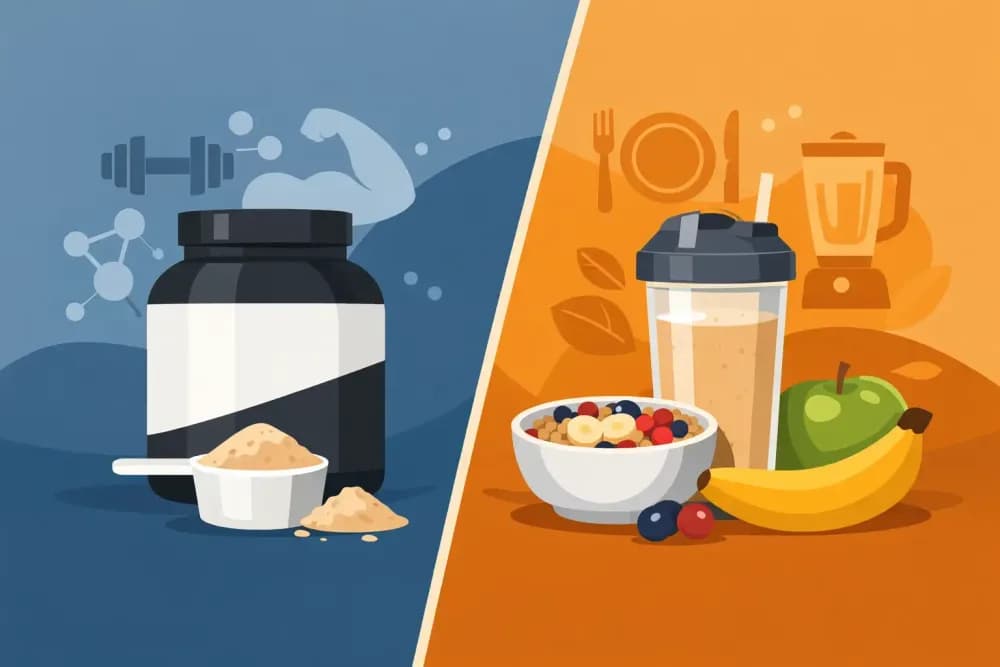
A shake can be a useful shortcut when breakfast is rushed, lunch is between meetings or you need something practical after training. But protein powder versus meal replacement is not a like-for-like choice. One is designed mainly to increase protein intake; the other is intended to stand in for a balanced meal. Choosing the wrong one can leave you under-fuelled, overly hungry or spending more than you need to.
For shoppers building a practical wellness routine, the best option comes down to what the shake needs to do. Are you trying to support muscle recovery, manage calories, replace an occasional meal or simply make a busy day easier? The label matters more than the size of the tub.
Protein powder versus meal replacement: the core difference
Protein powder is a concentrated source of protein, commonly made from whey, milk, soya, pea or other plant sources. It is normally mixed with water, milk or a preferred alternative. Its main job is straightforward: help you add protein to your diet without preparing a full meal.
A meal replacement is formulated to provide a broader nutritional profile. Alongside protein, it should typically contain carbohydrate, some fat, fibre and a range of vitamins and minerals. It is generally portion-controlled and has more calories than a standard protein shake, because it is intended to replace a meal rather than supplement one.
That distinction is worth taking seriously. A protein powder mixed with water may contain very little beyond protein and flavouring. It can be ideal after exercise, but it is not automatically a nutritionally complete breakfast or lunch. Equally, a meal replacement shake may be less suitable immediately after training if your priority is a quick, high-protein option with fewer calories.
Choose protein powder when protein is the priority
Protein contributes to the growth and maintenance of muscle mass, making protein powder a convenient choice for regular gym-goers, active adults and anyone who struggles to reach their protein target through food alone. It can also be useful after a long day when cooking a protein-rich snack feels unrealistic.
The most effective use is often as an addition, not a replacement. Blend it into porridge, stir it into yoghurt, or have it alongside fruit and wholegrain toast. This gives you the protein support you want while keeping the fibre, energy and micronutrients that come from ordinary food.
Protein powders can be particularly practical in these situations:
- After strength training, when you want a simple protein serving without a heavy meal.
- Between meals, if hunger is making it harder to stick to a planned eating routine.
- At breakfast, alongside other foods, when your usual meal is low in protein.
- When travelling or working away from home, where a shaker is easier than finding a suitable snack.
The trade-off is fullness. A lean protein shake may only be 100 to 150 calories, depending on the product and what you mix it with. That can suit a calorie-controlled plan, but it may not keep you satisfied until your next meal. If you find yourself reaching for biscuits an hour later, the shake was probably serving as a supplement when you needed a meal.
Choose a meal replacement when convenience needs to feel like a meal
Meal replacements are useful for planned occasions when a balanced meal is difficult to prepare or take with you. They are often chosen for breakfast, lunch at work or as part of a structured weight-management programme. The benefit is control: a clearly measured serving can make calorie and nutrient intake easier to manage than an improvised sandwich, pastry or takeaway.
A good meal replacement should not rely on protein alone. Check the nutrition panel for fibre, vitamins and minerals, and look at the serving instructions rather than judging the product by a single scoop. Some products are designed to be mixed with milk, which changes both the calorie content and nutrient total.
Meal replacements can help create consistency, but they are not a reason to avoid normal meals altogether. Chewing, cooking and eating a variety of foods still have a place in a healthy routine. Fresh vegetables, fruit, pulses, wholegrains and protein-rich foods bring texture and nutrients that a shake cannot fully replicate day after day.
For many people, the sensible middle ground is to use a meal replacement for one planned meal on busy days, while keeping other meals food-based. This is often easier to maintain than relying on shakes from morning to night.
Compare the label before you compare the price
A lower price is only a better deal if the product matches its intended role. Compare the cost per serving, not only the price on the front of the pack. A large protein tub may offer a low cost per shake, while a meal replacement can cost more per serving because it includes a wider range of nutrients.
Start with protein. There is no single ideal amount for everyone, but a meal replacement should contain enough protein to make the serving satisfying, while a protein powder should clearly state how much protein it provides per portion. Then look at calories. If the product is meant to replace lunch, a very low-calorie shake may be insufficient. If it is for a post-workout top-up, a high-calorie shake could work against a calorie-deficit goal.
Next, check sugar, fibre and allergens. Some flavoured shakes contain more sugar than expected, while others use sweeteners that may not suit every preference. Fibre is especially relevant for meal replacements because it supports fullness and normal digestive function. If you avoid dairy, soya or gluten, review the ingredients and allergen statement carefully rather than assuming a product is suitable.
Finally, consider preparation. A product that needs a blender, several additions and refrigeration may be excellent at home but less useful at your desk or in the car. The best-value product is one you will use consistently, prepare correctly and enjoy drinking.
Your goal changes the answer
If your goal is muscle support, recovery or increasing protein around training, protein powder is usually the more focused and economical choice. Pair it with real meals and snacks rather than expecting it to do every nutritional job.
If your goal is portion control or avoiding skipped meals during a busy working week, a properly formulated meal replacement may be more appropriate. It offers a defined serving and broader nutrition, which can make a routine easier to follow.
If weight loss is your goal, neither option is automatically better. Progress depends on your overall food intake, activity, sleep and ability to maintain the plan. A protein powder may help reduce snacking when used well. A meal replacement may make a calorie-controlled meal easier to repeat. The stronger choice is the one that keeps you satisfied and fits your day without creating rebound hunger later.
People following structured plans such as C9, DX4 or F15 should use the products and serving guidance intended for that programme. Swapping in an ordinary protein powder where a meal replacement is specified may change the planned calorie and nutrient balance.
When neither shake is the answer
There are times when food is simply the better option. If you have time for eggs on toast, Greek-style yoghurt with fruit, beans on a jacket potato or a chicken and salad wrap, you can create a filling meal with protein, fibre and variety. Shakes are convenient tools, not compulsory upgrades.
Extra care is sensible if you are pregnant or breastfeeding, have a medical condition, take prescribed medication, or have a history of disordered eating. Speak to a qualified healthcare professional before making significant changes to your diet or using meal replacements as a regular strategy.
Make a purchase that earns its place in your routine
At Aloe Discounts, the practical approach is to buy for the job at hand: a protein-focused product when you need a convenient protein serving, or a meal replacement when you genuinely need a controlled, more complete meal alternative. Check serving sizes, compare value per portion and avoid paying full price for a product that does not fit your goal.
The shake that works best is not necessarily the one with the biggest protein number or the lowest calorie count. It is the one that makes your next decision easier: train well, eat sensibly, stay satisfied and carry on with your day.