Aloe Discounts Guide
Nutrition Food Supplements Side Effects Explained
Understand nutrition food supplements side effects, from mild digestive upset to medicine interactions, and make safer choices for your daily routine.
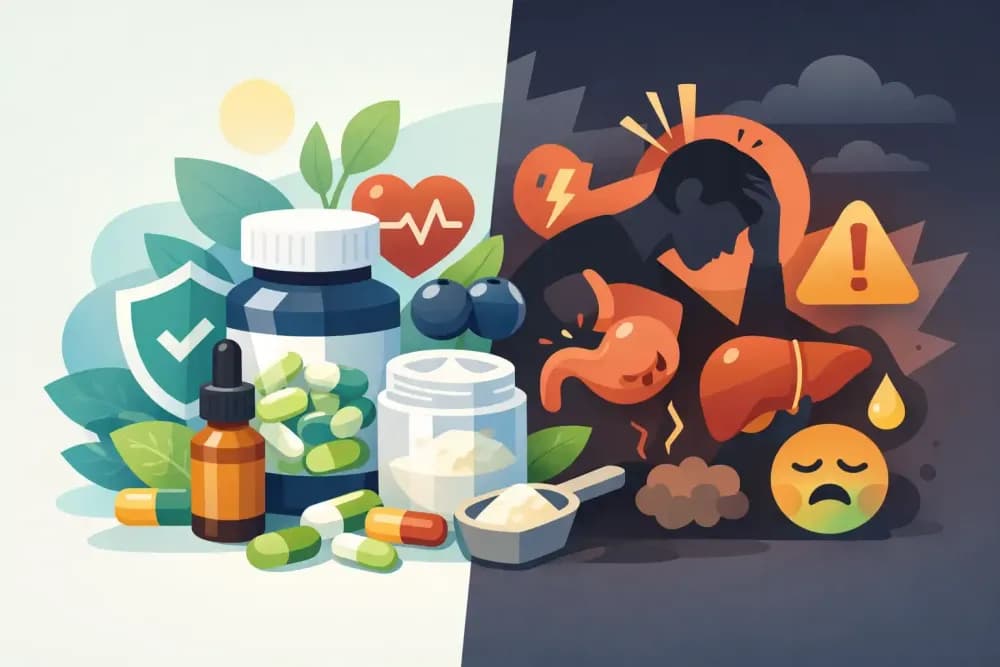
A new supplement can look like a straightforward addition to a daily routine, especially when it supports a goal such as fitness, digestion, weight management or skin care. Yet nutrition food supplements side effects can occur even with familiar ingredients, and the safest choice is not always the highest dose or the biggest product stack. A little label-checking protects both your wellbeing and your budget.
Most people use supplements without serious problems when products are taken as directed. The key is to choose only what suits your needs, use it consistently rather than excessively, and pay attention to how your body responds.
Why nutrition food supplements side effects happen
Supplements contain concentrated nutrients, botanicals, fibre, proteins or other active ingredients. That concentration is useful when your diet does not provide enough of a particular nutrient, but it also means that more is not automatically better. Taking several products with overlapping ingredients can push your total daily intake higher than intended.
Side effects may come from the active ingredient itself, the amount taken, or the way it is taken. For example, a mineral supplement may upset the stomach on an empty stomach, while a high-fibre product may cause wind or bloating if introduced too quickly. Some products also contain sweeteners, flavourings or allergens that do not agree with everyone.
Individual factors matter. Age, body weight, pregnancy, breastfeeding, allergies, existing health conditions and prescription medicines can all change whether a supplement is appropriate. A product that is suitable for one member of the household may not suit another.
Common side effects to recognise
Many reported effects are mild and settle when the dose is reduced, the product is taken with food, or the body has time to adjust. However, persistent or severe symptoms should never be ignored.
Digestive changes are among the most common. These can include nausea, stomach discomfort, loose stools, constipation, bloating or wind. Protein powders, fibre products, magnesium, vitamin C at higher amounts and certain herbal preparations can all affect digestion in some users.
Headaches, tiredness, sleep changes or a change in appetite may also occur. Caffeinated sports or energy supplements can cause jitteriness, restlessness or a racing heartbeat, particularly when combined with coffee, tea, cola or pre-workout products. Taking them late in the day can disrupt sleep, which may undo the very wellbeing benefits you hoped to gain.
Skin reactions are less common but need attention. Stop using a product and seek medical advice promptly if you develop hives, swelling, wheezing, difficulty breathing or a widespread rash. These may be signs of an allergic reaction, especially for products containing bee-derived ingredients, fish, shellfish, soya, milk or other known allergens.
The biggest avoidable risk: doubling up
The most frequent mistake is not a single supplement. It is buying a multivitamin, then adding separate vitamin D, vitamin C, zinc, magnesium or beauty products without checking the combined labels. This can be easy to do when building a routine around wellness, fitness and skincare goals.
Fat-soluble vitamins deserve particular care. Vitamins A, D, E and K are stored by the body more readily than water-soluble vitamins, so very high intakes over time can be harmful. Iron should also not be taken routinely unless it has been recommended or there is a clear reason for it, such as a confirmed deficiency. Too much iron can cause significant problems and may be particularly unsuitable for some people.
Keep a simple note of every supplement you take, including powders, drinks, gummies and programme packs. Compare the serving size and nutrient amount, not just the product name. A serving is sometimes more than one tablet, capsule or scoop.
Supplement and medicine interactions
A supplement can affect how a medicine works, even if it is sold without a prescription. This is why anyone taking regular medication should speak with a pharmacist, GP or qualified healthcare professional before adding a new product.
Particular care is needed with blood-thinning medicines, diabetes medicines, blood pressure treatment, thyroid medication, epilepsy medicines and certain antidepressants. Some minerals can reduce the absorption of medicines if taken at the same time. For instance, calcium, iron and magnesium may need to be separated from particular prescriptions by several hours, but the correct timing depends on the medicine.
Herbal and botanical products also need the same care as vitamins and minerals. “Natural” does not mean risk-free, and herbal ingredients can have real effects in the body. Always tell your healthcare professional about every product you use, including occasional remedies and sports supplements.
How to choose and use supplements more safely
Start with the result you want, then decide whether a supplement is genuinely the right tool. A varied diet, sufficient fluids, sleep and regular movement remain the foundation of everyday wellbeing. Supplements are there to complement those habits, not replace meals or compensate for an unsuitable diet.
When you do choose a product, buy from a reputable retailer and use the label as your instruction sheet. Check the ingredient list, allergen statement, recommended daily amount, warnings and storage information before ordering. Do not assume a larger serving will deliver faster results.
A practical approach is to introduce one new product at a time. Use it for a short period as directed before adding another. This makes it much easier to identify the cause if you experience discomfort. Starting several new products together may seem efficient, but it creates uncertainty and can waste money if a product does not suit you.
For products designed around structured nutrition or weight-management routines, follow the programme guidance carefully. Avoid combining them with additional high-dose products unless you have checked for duplicate ingredients. Extra shakes, tablets or powders can alter your calorie, caffeine, fibre or nutrient intake more than expected.
Who should get advice before buying
Some customers should not rely on general online guidance alone. Speak to a pharmacist, GP, midwife, dietitian or another appropriate healthcare professional before taking supplements if you are pregnant, breastfeeding, planning a pregnancy, under 18, over 65 with multiple medicines, or managing a long-term condition.
You should also ask for advice if you have kidney or liver problems, a history of nutrient overload, food allergies, swallowing difficulties, recent surgery or unexplained symptoms such as ongoing tiredness, weight loss or digestive upset. Supplements can sometimes mask a problem that needs proper assessment.
If a blood test has shown a deficiency, follow the advice given on the product, amount and duration. Once a course is complete, do not automatically continue at the same level indefinitely without checking whether it is still needed.
When to stop and seek help
Stop taking a supplement and get urgent medical help for difficulty breathing, swelling of the lips, tongue or throat, chest pain, fainting, severe abdominal pain, black stools, vomiting blood or a sudden severe reaction. For non-urgent but ongoing symptoms, stop the product and speak to a pharmacist or GP.
Keep the packaging or take a photo of the label if you need advice. The ingredient list, dose and time you took the product can help a healthcare professional assess what happened. You can also report suspected side effects through the UK Yellow Card scheme.
Make value part of the decision
A visible discount is useful only when the product is right for you and likely to be used as directed. Before stocking up on a multi-pack or adding several items to reach a delivery threshold, check expiry dates, serving sizes and whether the ingredients overlap with products already in your cupboard.
At Aloe Discounts, customers can find recognised Forever Living products at 20% off standard retail prices, but a sensible purchase still starts with the label and your own circumstances. Choose products for a clear purpose, take no more than recommended, and give your routine time to show whether it suits you. The best value is a supplement plan that is simple, safe and sustainable enough to keep.