Aloe Discounts Guide
How to Plan F15 Meals Without Overspending
Learn how to plan F15 meals with practical UK shopping, prep and portion tips, so your programme stays simple, satisfying and within budget every week.
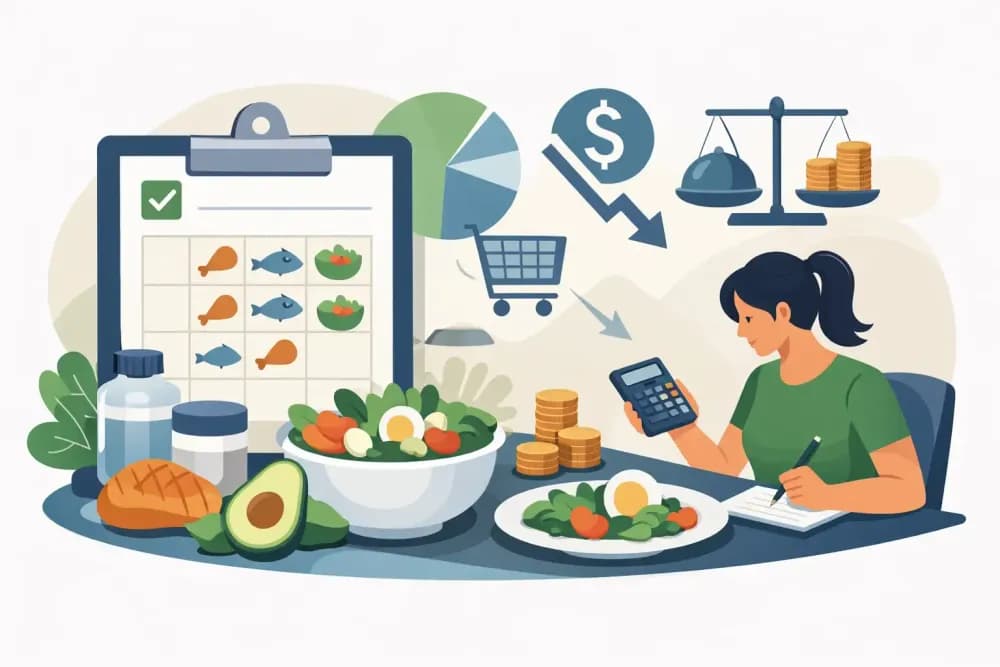
The difference between sticking to an F15 programme and abandoning it after a few days is often decided in the supermarket. If you are learning how to plan F15 meals, do not leave choices until you are hungry, short on time and faced with a half-empty fridge. A simple food plan keeps your approved programme products, main meals and weekly spend working together.
F15 is designed as a structured approach to nutrition and activity, but the food you prepare around it still needs attention. The most effective plan is not the most complicated one. It is the one built around realistic portions, familiar meals and a shopping list you can repeat without waste.
How to plan F15 meals around your guide
Start with the F15 guide supplied with your programme. Versions and stages can differ, so use its recommended servings, product timings and food choices as your first reference point. Do not assume a meal plan shared online will match the programme in your box.
Then decide when you will eat. Most people find it easier to plan their day around three clear anchors: breakfast, lunch and evening meal, with any programme-approved snacks or shakes placed at the times specified in their guide. Write these times down for working days first. Weekends can follow the same structure, even if the clock shifts slightly.
Your meals should be based on straightforward whole foods where possible: a protein source, plenty of vegetables or salad, a measured carbohydrate portion where allowed, and a sensible amount of fats. This is more practical than chasing unusual recipes or buying a cupboard full of ingredients you will use once.
For example, a planned lunch could be chicken, mixed leaves, cucumber, peppers and a portion of wholegrain rice or potatoes if this fits your stage of the programme. An evening meal might be baked fish with broccoli, courgettes and roasted sweet potato. The exact portions and food choices should always follow your F15 guidance and your own dietary requirements.
Build meals from repeatable combinations
Planning seven completely different dinners is usually where budgets rise and food gets thrown away. Choose two or three protein options for the week, such as chicken breast, eggs, white fish, salmon, lean mince, tofu or pulses. Add a selection of vegetables that can appear in more than one meal.
A practical rotation could include a tray-baked chicken dinner, a lean mince and vegetable dish, an omelette with salad, and fish with steamed vegetables. Change the herbs, spices and cooking method if you want variety, but keep the core ingredients consistent. You will save money and make your preparation faster.
Frozen vegetables are worth considering too. They are convenient, keep longer than fresh produce and make it easier to use only what you need. They are particularly useful for busy evenings when cooking from scratch feels less appealing than ordering a takeaway.
Make a weekly F15 meal plan before you shop
Choose one day each week to plan, check cupboards and place your order. Start by looking at the days that are likely to be difficult: late meetings, school runs, gym sessions, travel or social occasions. These are the moments when an unplanned meal can derail your routine.
For each day, note your breakfast, lunch and dinner, plus the programme products you need to have available. Next, identify which meals can be prepared in advance. A cooked chicken tray, a pan of lean mince, washed salad leaves and chopped vegetables can cover several meals without making every day feel identical.
Use a shopping list organised by category rather than recipe. This is quicker to check and makes it less likely that you will miss a staple.
- Protein: chicken, fish, eggs, lean meat, tofu, beans or other options permitted by your plan.
- Vegetables and fruit: choose produce that works across lunches, dinners and any approved snacks.
- Carbohydrate portions: buy only the grains, potatoes, wraps or other choices that fit your F15 stage.
- Flavour basics: herbs, spices, lemon, garlic, vinegar and lower-sugar seasonings can prevent repetitive meals.
- Programme essentials: check that you have enough F15 products for the full week before starting.
This approach also makes it easier to spot where your money is going. Premium cuts, individual snack packs and last-minute convenience food can push up the total quickly. They may suit an occasional busy day, but they are not necessary for every meal.
Use portions, not guesswork
A healthy-looking meal can still become less suitable for your plan if portions are left to chance. Weigh or measure foods at first if your F15 guide gives serving guidance. After a few weeks, you will usually become more confident about what your regular portions look like.
Be especially aware of calorie-dense extras. Oils, mayonnaise, cheese, creamy sauces, nuts and dressings can be useful foods in the right quantity, but it is easy to add more than intended. Measure them rather than pouring freely.
You do not need to eat plain food. Season chicken with paprika and garlic, add chilli and lime to fish, or use herbs, pepper and lemon with vegetables. Good flavour makes a planned meal feel like dinner rather than a restriction.
Prep enough to make the next choice easy
Batch cooking should save time, not leave you eating the same dish until you are bored. Prepare ingredients in flexible parts: cook protein, roast vegetables, wash salad and make one or two simple dressings or sauces that fit your plan. Store portions safely in the fridge, and freeze anything you will not use within a few days.
Lunch is often the pressure point. If you work away from home, pack it the night before alongside cutlery, a drink and any programme product you need. A prepared lunch avoids the expensive sandwich shop decision at midday, where portion sizes and ingredients can be harder to control.
Keep an emergency option at home as well. Eggs, frozen vegetables, tinned fish, soup that suits your guidance, or a portion of batch-cooked food can turn a difficult evening into a manageable one. The goal is not perfection. It is avoiding the gap between being hungry and having no suitable food ready.
Plan for eating out and family meals
An F15 plan has to work in ordinary life. If your household is eating a different dinner, build your meal from the same basic ingredients where possible. Serve yourself a planned protein and vegetable portion, then adapt the carbohydrate or sauce element according to your guide. You do not need to cook two entirely separate meals every night.
For meals out, look at the menu in advance if you can. Grilled protein, vegetables, salad and plainly cooked sides are often easier to judge than dishes with rich sauces, pastry or fried coatings. Ask for dressings and sauces separately, and do not treat one social meal as a reason to abandon the rest of the week.
If you have allergies, a medical condition, are pregnant or breastfeeding, take medication, or have a history of disordered eating, seek advice from an appropriate healthcare professional before changing your diet or beginning a weight-management programme. F15 products and meal choices should be used as directed, not as a substitute for individual medical advice.
Keep the programme affordable from week to week
A good plan protects your budget as much as your routine. Buy larger packs only when you know you will use them, choose seasonal vegetables when practical, and avoid buying several new “healthy” extras at once. The essentials are enough: planned meals, food you enjoy, and a reliable supply of the programme products you have chosen.
It can also help to keep a short note of meals that worked well. After each week, retain the dinners that were filling, convenient and affordable, then replace the meals that created too much prep or waste. This builds a personal menu you can use again without starting from scratch.
For customers buying Forever Living products, Aloe Discounts offers a straightforward way to maintain the routine with 20% off and free delivery on qualifying orders over £50. Checking your supply before it runs low can help you avoid rushed, full-price purchases elsewhere.
The best F15 meal plan is one you can follow on a wet Wednesday, after a long day, using food already in your kitchen. Keep it simple, shop with purpose, and let each prepared meal make the next decision easier.