Aloe Discounts Guide
Can You Drink Aloe Vera Gel? What to Know
Can you drink aloe vera gel? Learn which products are made for drinking, how to use them safely, and when to seek advice before adding aloe to routine.
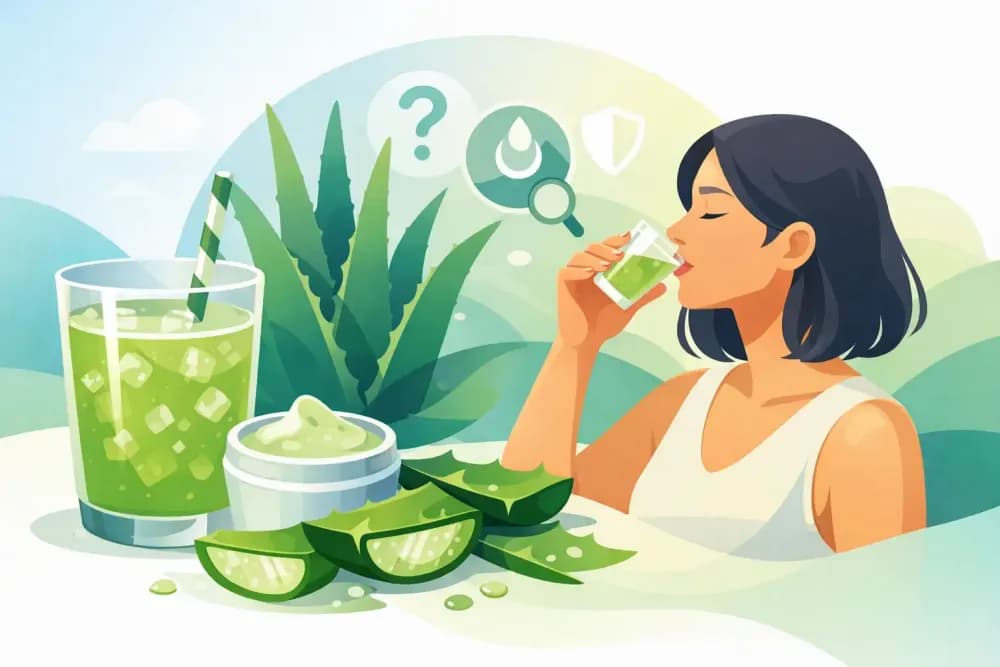
Aloe vera gel in a bottle can look very similar to the clear gel people keep in the bathroom cabinet for dry skin or sun-exposed skin. That is where costly and potentially unsafe confusion starts. Can you drink aloe vera gel? Yes, but only when it is a food supplement specifically made, labelled and sold for drinking. Cosmetic aloe gels are for external use only and should never be used as a drink.
For shoppers choosing an aloe drink as part of a daily wellness routine, the practical question is not simply whether aloe is drinkable. It is whether the exact product has been prepared for oral use, how much to take, and whether it suits your personal circumstances. The label matters more than the word “aloe” on the front of a bottle.
Can You Drink Aloe Vera Gel Safely?
You can drink aloe vera gel that has been processed for consumption and clearly states that it is a drink, food supplement or oral product. These products are usually made from aloe vera inner leaf gel and are formulated to meet food-safety requirements. They should provide serving guidance, ingredients, storage instructions and any relevant cautions.
Do not drink aloe vera gel sold as a skincare product, after-sun gel, hair treatment or topical cosmetic. Even if a cosmetic gel appears pure or clear, it may contain fragrances, preservatives, thickeners or other ingredients that are not intended to be swallowed. “Natural” does not mean edible.
Fresh aloe straight from a houseplant is also not a shortcut worth taking. The leaf contains a yellowish latex layer beneath the outer skin. This can contain compounds known as anthraquinones, including aloin, which may have a strong laxative effect and can cause cramping, diarrhoea and dehydration. Preparing a leaf properly is more involved than cutting it open and scooping out the centre.
Commercial aloe drinks are designed to remove or control unwanted leaf components during processing. That is one reason a reputable, ready-to-drink product is the more sensible choice for anyone who wants aloe as part of their routine.
What Is in Drinkable Aloe Vera Gel?
A drinkable aloe product may contain inner leaf gel, whole leaf material that has been processed and purified, or a blend with water and flavourings. Some varieties include fruit juices to make the taste lighter, while others are closer to the naturally mild, slightly bitter flavour of aloe.
The key distinction is not whether the bottle says “gel” or “juice”. Both descriptions can be used for products intended to drink. What matters is the product’s intended use and full ingredient list. A drinking gel may have a thicker texture than juice, but it should still be clearly marketed for oral consumption.
Check the label for the recommended daily serving and whether the bottle should be shaken before use. Aloe drinks can contain naturally occurring sediment or pulp, depending on the formula. That is not automatically a problem, but the manufacturer’s directions should always take priority.
If you are watching sugar intake, compare flavoured varieties with unflavoured options before ordering. A fruit-flavoured aloe drink may be more enjoyable, but it can also add sugars or sweeteners that do not suit every diet. For a routine you plan to maintain, choosing a format you genuinely like and can use consistently makes more sense than buying the largest bottle on impulse.
How Much Aloe Vera Drink Should You Take?
Start with the serving size printed on the bottle. There is no benefit in assuming that more aloe is better. A sensible approach is to begin with the lower recommended amount for a few days, then follow the product guidance if it agrees with you.
Many people take aloe drinks in the morning, chilled on their own, or mixed with water or juice. Timing is usually a matter of preference unless your product label says otherwise. If you take several supplements, spreading them across the day can make it easier to identify what does and does not suit you.
Storage is equally practical. Follow the stated best-before date and refrigerate after opening if instructed. Do not keep an opened bottle beyond the recommended period simply to avoid waste. Buying a bottle size that matches your normal use is better value than buying in bulk and throwing product away.
Who Should Take Extra Care With Aloe Vera Drinks?
Aloe drinks are not right for everyone. If you are pregnant, breast-feeding, have a medical condition, or take regular medicines, speak to a pharmacist, GP or other qualified healthcare professional before using an aloe supplement. This is particularly relevant if you take medicine for diabetes, kidney conditions, heart conditions, blood clotting or bowel problems.
Aloe products may affect digestion, and some preparations can interact with medicines or influence blood sugar levels. People prone to diarrhoea, stomach cramps or inflammatory bowel symptoms should be especially cautious. Stop using the product and seek professional advice if you experience an unwanted reaction.
Children should not be given aloe supplements unless a healthcare professional has advised it. The same caution applies to anyone preparing for surgery or managing a long-term health condition. A supplement can support a routine, but it is not a replacement for prescribed treatment, a balanced diet or medical advice.
A Quick Label Check Before You Buy
The fastest way to make a confident choice is to read beyond the front label. Before adding an aloe drink to your basket, check these essentials:
- It is explicitly intended for oral use, not skincare or cosmetic use.
- It gives a clear recommended serving and daily-use guidance.
- The full ingredients are shown, including sweeteners, flavourings and allergens where relevant.
- It includes storage instructions, especially after opening.
- It provides warnings for people taking medication, pregnant or breast-feeding, or managing health conditions.
This takes less than a minute and prevents the most common mistake: treating every product containing aloe as interchangeable. They are not. An aloe gel for the skin, an aloe drink and a concentrated supplement have different purposes, ingredients and instructions.
Is Aloe Vera Drink Worth Adding to Your Routine?
That depends on what you want from it. Some people enjoy aloe drinks as a convenient addition to their hydration and wellness habits. Others prefer to focus their spending on a multivitamin, protein product or a targeted supplement. There is no single right answer, and aloe does not need to be treated as a miracle product to be a useful choice for people who enjoy it.
The value decision comes down to suitability, quality and repeat affordability. A product that is clearly labelled, pleasant to take and priced sensibly is more likely to become part of a lasting routine. If you already know and trust Forever Living aloe drinking products, buying through Aloe Discounts offers a straightforward way to keep costs down with 20% off standard prices, while qualifying orders over £50 include FREE delivery.
Start with the product label, follow the recommended serving, and give your body time to tell you whether it suits you. That is the practical way to enjoy aloe vera drinking gel without confusing a wellness purchase with a skincare product.